


.webp)
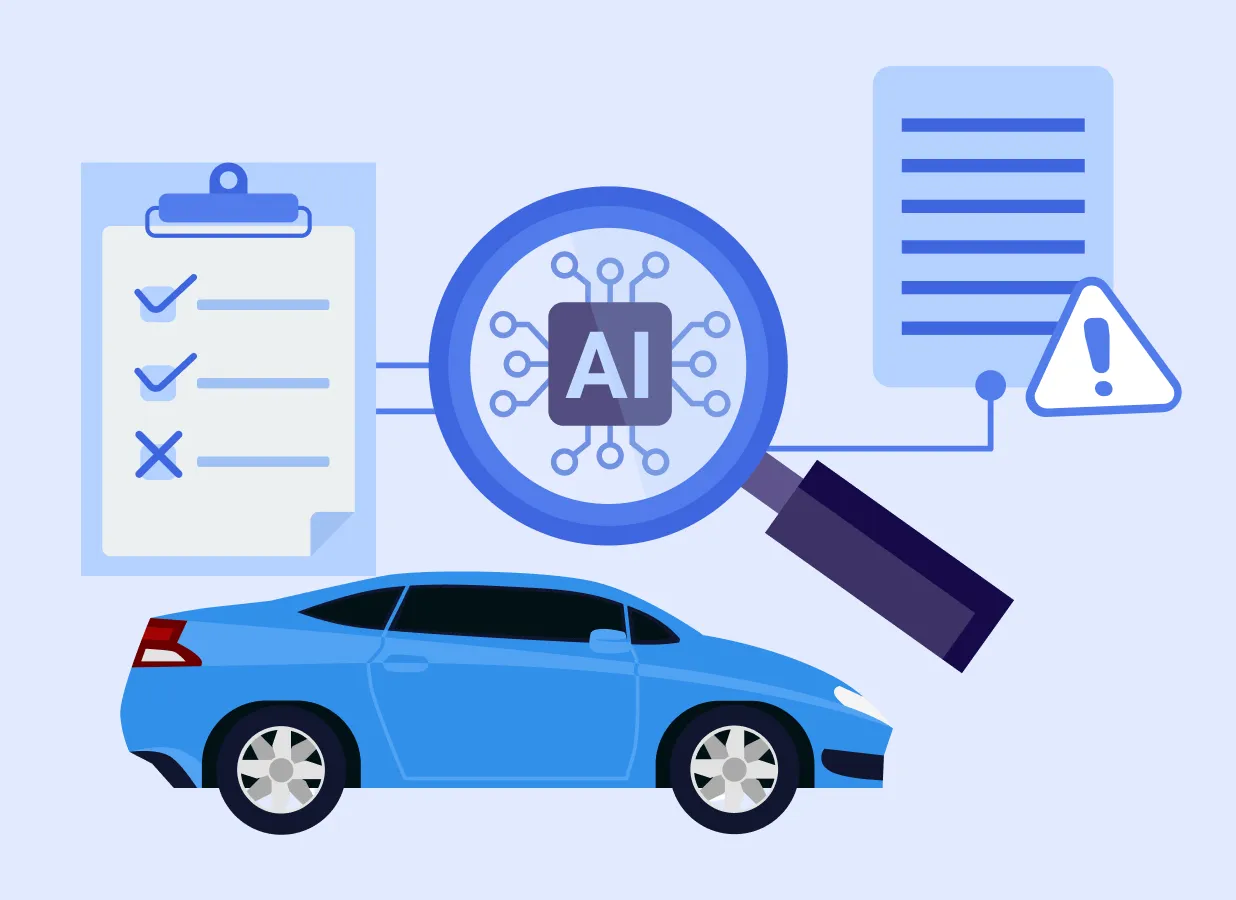
Fraud. It’s a word that insurers know extremely well when dealing with auto insurance claims.
Fraudulent auto insurance claims represent a significant financial burden to insurers. The costs associated with these claims can be multifaceted, impacting not only the insurance companies themselves but also their partners, their customers, and the broader insurance market.
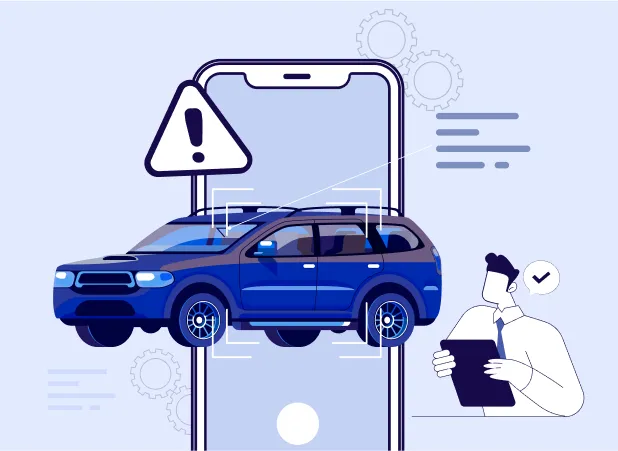
One key question is: how can investing in advanced, AI-powered detection technologies help mitigate the impact and cost of auto insurance fraud?
.webp)
Quantifying the Costs
The precise cost of fraudulent car insurance claims is difficult to quantify due to fraud's often-hidden nature and the varying detection processes deployed globally. However, some reliable estimates provide some sense of scale and clarity.
For example, in the US, according to the FBI, overall insurance fraud (excluding health) costs the US insurance industry more than $40 billion annually. Auto insurance fraud is a significant component of that figure, with studies from the Insurance Information Institute suggesting that fraud accounts for approximately 17% of total claims payments.
From a consumer perspective, this can directly impact premium costs. The Coalition Against Insurance Fraud estimates that insurance fraud costs the average U.S. family between $400 and $700 annually in increased premiums. This figure underscores the widespread impact of fraud beyond just the insurance companies themselves.
.webp)
Direct and Indirect Losses
Auto insurance companies can be impacted by direct and indirect financial losses because of fraudulent claims. Direct losses include:
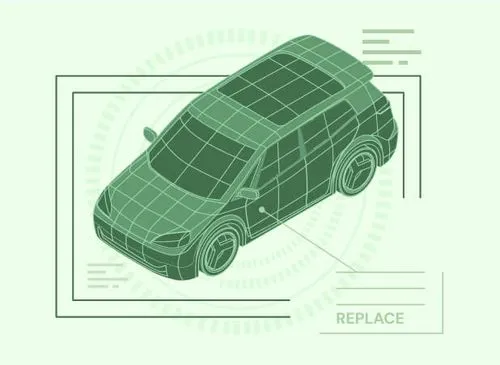
- Claim Payouts: The most immediate cost of fraudulent claims is the money paid out for false or exaggerated claims, including compensation for fabricated damages, staged accidents, or injuries that never occurred. Each fraudulent claim can amount to thousands, sometimes tens of thousands, of dollars in unwarranted payouts.
- Investigation Expenses: Insurers often invest substantial resources in investigating suspected fraud. This can involve hiring special investigative units, utilizing external investigators, and verifying claims using various tools and technologies. While necessary, these investigations can be very costly.
- Legal Costs: When fraud cases subsequently lead to legal proceedings, either to prosecute fraudsters or defend against fraudulent claims, insurers can incur significant legal expenses, including attorney fees, court costs, and settlements.
Indirect financial Impacts include:
- Increased Premiums: Insurers often have to raise premiums to offset losses from fraudulent claims, which impacts existing policyholders and potentially drives away new customers.
- Operational Inefficiencies: Resources diverted to address fraud can put undue strain on an insurance company's operations. Time and money spent on fraud investigations reduce the capacity to process legitimate claims efficiently, leading to delays and reduced customer satisfaction.
- Reputational Damage: Persistent fraud issues can seriously tarnish an insurance company’s brand image and reputation and erode trust with its customers.
In a wider context, the economic impact of insurance fraud can extend beyond the insurance companies themselves. Higher premiums can reduce consumer spending power, and the inefficiencies created by fraud can ripple through the economy.
In addition, regulatory bodies can impose additional compliance requirements on insurance companies when trying to combat fraud, leading to further costs for systems, processes, and personnel.
The Role of AI in Mitigating Auto Insurance Fraud
Auto insurers must balance preventing ever-increasing fraud payouts and investing in advanced fraud detection technologies, such as Artificial Intelligence (AI), machine learning, and data analytics.
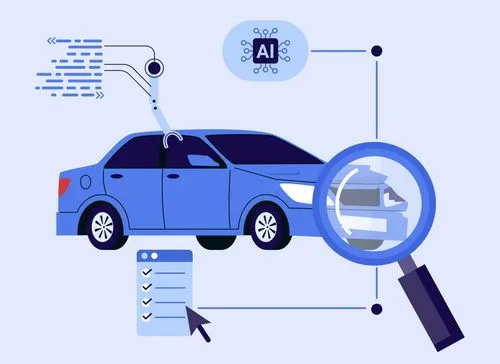
Undoubtedly, AI is emerging as a powerful weapon when it comes to reducing the costs associated with fraudulent car insurance claims. By automating the detection process and improving accuracy, AI-powered solutions can help auto insurers mitigate the cost and impact of fraudulent activities in several ways:
- Early Detection and Prevention: AI analyses patterns and detects anomalies early in the claims process, preventing fraudulent claims from being paid out. This proactive approach can significantly reduce direct financial losses.
- Efficient Resource Allocation: By accurately identifying high-risk claims, AI allows insurers to allocate investigative resources more efficiently. This targeted approach reduces overall investigation costs.
- Enhanced Accuracy: AI reduces false positives and negatives in fraud detection, flagging fraudulent activities and ensuring genuine claims are processed quickly, thereby reducing operational inefficiencies and improving customer satisfaction.
- Cost-Effective Compliance: AI-powered systems can be programmed to ensure compliance with regulatory requirements, minimizing penalties and the costs associated with legal processes.
.webp)
Fraud Detection in Car Repair Shops
Of course, insurance companies don’t work in silos when it comes to dealing with auto insurance claims. Dealing with fraudulent activities often involves collaboration with multiple parties, including auto repair shops.
The auto repair shop plays a critical role in the insurance claim process, often being the first point of contact for vehicle inspections and damage assessments. AI technology has immense potential for transforming how car repair shops detect and mitigate fraud. Indeed, it can be harnessed to identify fraudulent car insurance claims, enhancing efficiency, accuracy, and trust.
Fraudulent activities inflate costs and tarnish the reputation of repair shops involved in damage assessment. Traditional methods of detecting fraud rely heavily on manual inspections and subjective judgment and are often inadequate. This is where AI comes into its own.
AI leverages machine learning, computer vision, and other technologies to analyze data, recognize patterns, and predict fraudulent activities. There are several ways it can be utilized by auto repair shops to detect fraud in insurance claims:
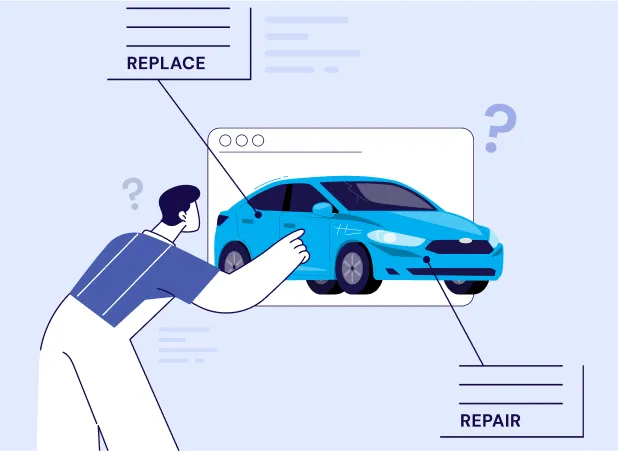
- Automated Damage Assessment: AI-powered systems can analyze images and videos of damaged vehicles to assess the extent of damage accurately. Computer vision algorithms can identify discrepancies between the reported and actual damage, flagging potential fraud.
- Historical data: AI can compare current damage images with historical data to detect signs of pre-existing damage being claimed as ‘new’. This automated assessment reduces the need for manual inspections and enhances the accuracy of damage evaluations.
- Predictive Analytics: By analyzing vast amounts of historical data on claims, repairs, and fraud cases, AI can build predictive models to identify patterns indicative of fraud. These models consider numerous factors, such as the type of damage, claim history, repair costs, and even the claimant’s behavior, to predict the likelihood of a fraudulent claim.
How Addenda Prevents Fraud in Motor Insurance
Addenda employs advanced technologies to tackle fraud in motor insurance effectively. Here’s how:
AI-Powered Damage Assessment
- Addenda uses AI to analyze vehicle damage with high accuracy.
- AI algorithms identify discrepancies between reported and actual damage.
- The system detects pre-existing damage claimed as new, reducing false claims.
Image Validation and Manipulation Detection
- Addenda validates uploaded images to ensure they meet specific criteria.
- The system detects and flags manipulated or altered images, preventing fraudulent visual evidence.
Pattern Recognition and Anomaly Detection
- AI-driven pattern recognition identifies unusual patterns and anomalies in claims.
- Early detection of suspicious claims helps prevent fraudulent payouts before they occur.
.webp)
Historical Data Comparison
- Addenda compares current damage images with historical data.
- This comparison helps detect inconsistencies and potential fraudulent claims by highlighting discrepancies between past and present damage reports.
Real-Time Feedback
- Addenda provides immediate feedback on image quality and damage assessment.
- This real-time analysis enhances accuracy and speeds up the claim process, ensuring genuine claims are processed quickly.
Collaborative Platform
- Addenda integrates seamlessly with insurers, repair shops, and other stakeholders.
- This collaborative approach facilitates transparent and efficient claims processing, reducing the chances of fraud.
Predictive Analytics
- Addenda uses historical data to build predictive models that identify fraudulent behavior.
- The system considers various factors such as damage type, claim history, and repair costs to predict the likelihood of fraud.
OCR and Pattern Matching
- Addenda employs OCR technology to authenticate vehicle identification numbers, number plates, and driver information.
- This helps verify the legitimacy of claims and detect any falsified details.
Watermark and Irrelevance Detection
- The system detects watermarked images to prevent unauthorized use.
- It filters out irrelevant images that do not pertain to the claim, maintaining the integrity of the claims process.
By leveraging these technologies, Addenda significantly reduces the risk of fraud, ensuring a more reliable and efficient motor insurance process. Addenda’s advanced AI and data analytics capabilities empower insurers to proactively identify and prevent fraudulent activities, protecting their bottom lines and enhancing trust within the industry. Embracing AI-driven solutions is not just a nice to have but a necessity for insurers aiming to win the battle against fraud and ultimately benefit customers through lower premiums and better service.
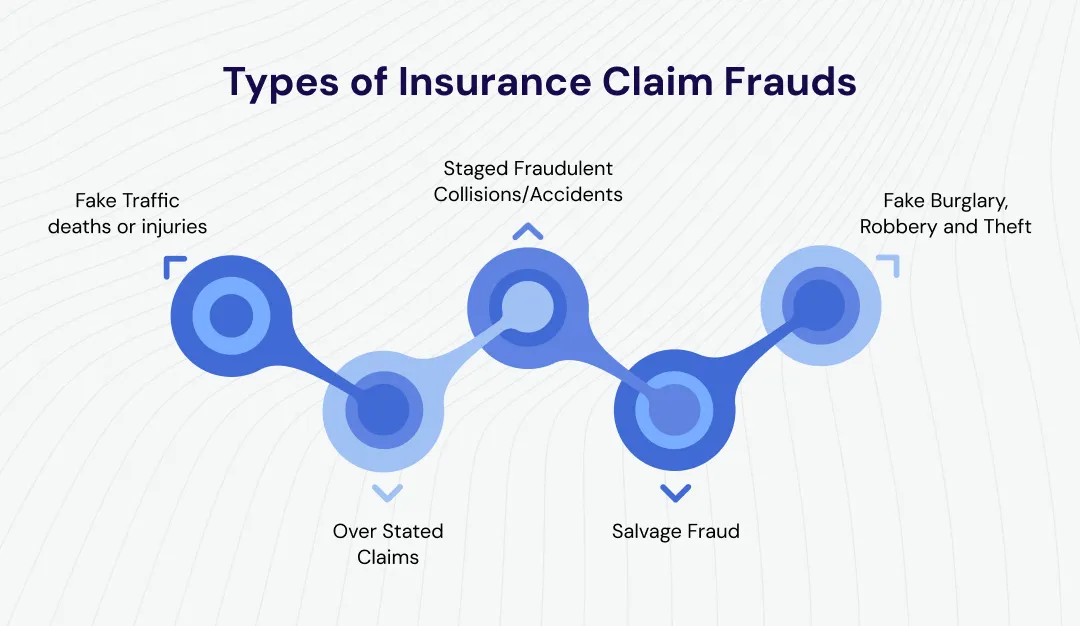
The Future of AI in Fraud Detection
So, what does the future look like regarding the use of AI in auto insurance fraud detection? Continued improvements in machine learning algorithms will enhance the accuracy and robustness of fraud detection models, making them more effective in identifying complex fraud schemes. The ability to analyze data in real-time will enable repair shops to detect and respond to fraudulent activities instantaneously, reducing the window of opportunity for fraudsters.
Increased collaboration between insurers, repair shops, and technology providers has led to the development of more comprehensive and effective AI-based fraud detection solutions, such as Addenda. These solutions are revolutionizing fraud detection in auto insurance, providing unprecedented accuracy, efficiency, and cost savings.
By leveraging AI’s advanced algorithms and analytics, insurers can proactively identify and prevent fraudulent activities, protecting their bottom lines and enhancing trust in the industry.
While there are challenges ahead, ongoing advancements in AI promise a future where insurance fraud is significantly mitigated. Embracing AI is not just a nice-to-have but a necessity for auto insurers and their partners aiming to win the battle against fraud – ultimately benefiting them and their customers.
.png)
















.svg)

.webp)


.webp)
.webp)