


.webp)

Streamlining Auto Repairer Allocation Processes
The whole process of repairer allocation following an auto accident is fraught with complexities. It involves and impacts different stakeholders in an often-complex process, including:
- Insurance Providers, who strive for cost-effectiveness while maintaining customer satisfaction.
- Repair Shops, who need to balance repair quality with timely service delivery.
- Car Owners, who demand fast and efficient solutions.
Given these different interests and demands, making the right decisions for repairer allocation isn’t just a ‘nice to have’ – it is a pivotal process, with far-reaching implications.
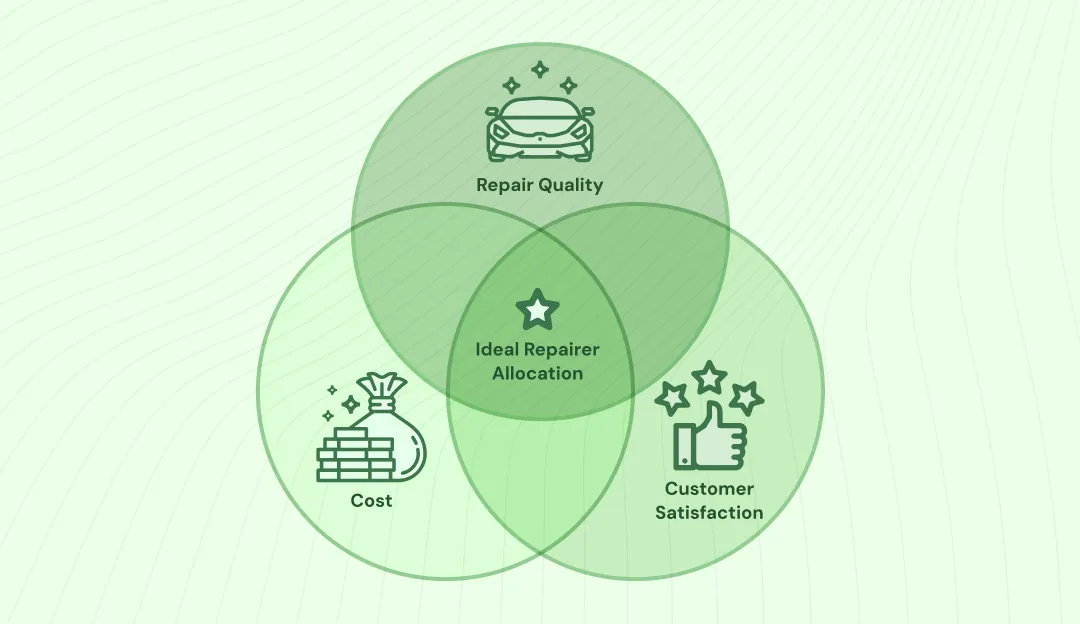
Effective repairer allocation transcends the mere action of sending a damaged vehicle to a repair shop. It embodies a multifaceted decision-making process that navigates through essential elements, including:
- Repair Quality, which ensures that vehicles are restored to their pre-accident condition without compromising on service standards.
- Cost Management, which aims to balance affordability with quality, affecting both insurance companies and vehicle owners.
- Customer Convenience, which prioritizes the needs and preferences of the vehicle owner, leading to improved customer experience and satisfaction.

Striking the right balance is absolutely essential in the repairer allocation process to maintain customer trust and loyalty, maximize efficiency, speed up turnaround time, and maintain cost control.
That’s why a well-coordinated repairer allocation strategy is vital in enhancing the overall efficiency and effectiveness of auto repair.
A Step-by-Step Approach
This comprehensive strategy for repairer allocation involves several key steps, starting from the initial damage assessment to the collection of customer feedback. Each step is designed to prioritize efficiency, the quality of the repair work, and ultimately customer satisfaction. By following a structured process, all the stakeholders in the process can achieve a balanced and effective resolution to the complexities involved.
So, what are the five essential steps that need to be taken?
Step1: Assessing Vehicle Damage with Precision
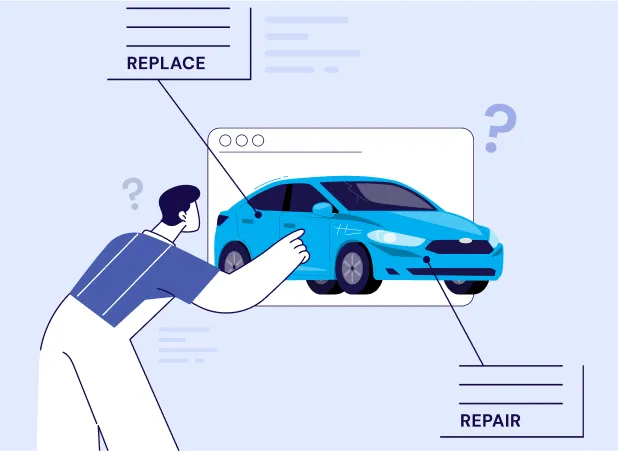
A crucial first step in the repairer allocation process is the meticulous and precise assessment of vehicle damage. This includes:
- Comprehensive Evaluation: Conduct a thorough examination of the vehicle to understand the extent and specifics of the damage. This initial step is crucial as it affects all subsequent decisions in the repairer allocation journey.
- Determining the Repair Path: Use the assessment details to chart the most cost-effective and efficient course for repairs.
- Selecting the Right Shop: Information from the damage assessment is vital in choosing the most suitable repair facility equipped to handle the specific types of damage the vehicle has sustained.
Accurate and detailed damage assessment ensures the repair process is built on a solid foundation, leading to better outcomes and increased customer satisfaction.

Step2: Understanding and Incorporating Customer Preferences
Focusing on customer needs and preferences is essential in the repairer allocation process. A customer-centric approach involves prioritizing the customer’s requirements and ensuring that their needs steer the repairer allocation process. Key Considerations in this process include choosing a repair shop that is conveniently located for the customer.
Providing estimated Repair Time also helps to manage customer expectations by providing a realistic schedule that meets the customer’s needs. Meeting specific requests should also address any concerns the customer may have.
Incorporating these factors can significantly enhance customer satisfaction, trust, and loyalty. The goal is to take a personalized approach that not only meets, but exceeds, customer expectations, leading to a more positive repair experience.

Step3: Selecting the Right Repair Shop
Identifying the right repair shop is a crucial phase in the repairer allocation process, and should consider:
- Service Quality: The shop must guarantee that repairs adhere to safety standards and restore vehicle functionality.
- Financial Prudence: It's important to balance high-quality service with cost-effectiveness to maintain budget integrity.
- Consumer Trust: Shops with a history of positive outcomes help build loyalty and assure customer confidence.
When evaluating repair facilities, it is important to consider several key factors, including:
- Technical Proficiency: Shops should have a solid track record with similar vehicle models and repair types.
- Efficiency: The facility's ability to complete repairs promptly without compromising quality is vital.
- Proximity: The location should be convenient for the vehicle owner, reducing logistical hassles.
- Reputation: Past customer reviews can provide insights into the shop’s overall performance and service level.
An in-depth assessment based on these criteria will ensure that the vehicle receives the best possible care, aligning with both insurer and customer expectations for a smooth and seamless repair journey.

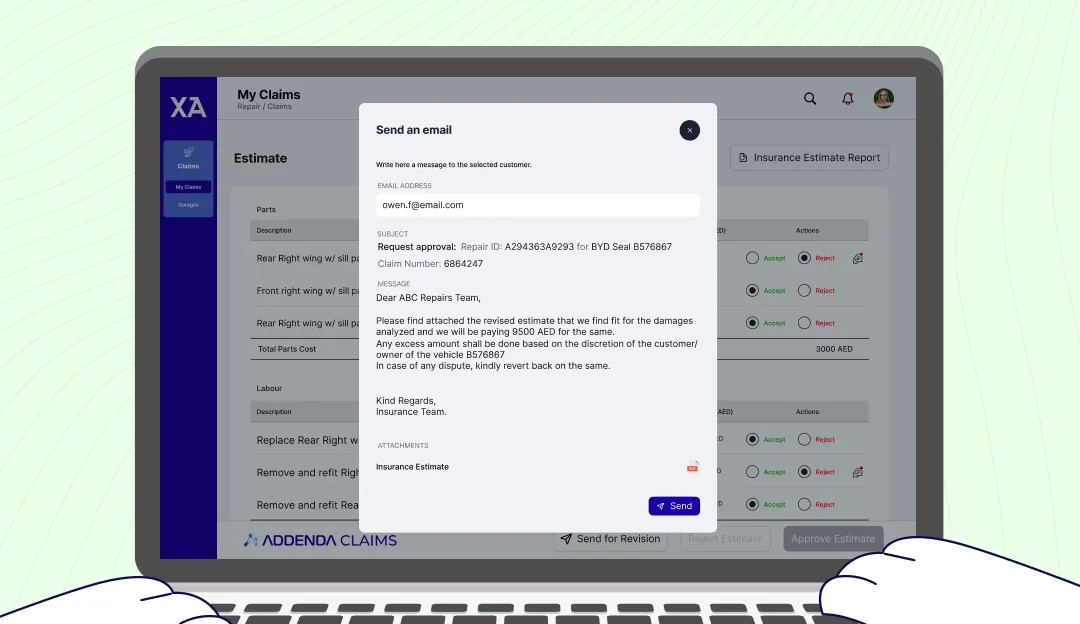
Step4: Facilitating Clear and Timely Communication
In repairer allocation, the importance of effective communication among insurance providers, repair shops, and customers cannot be overstated. It is vital to ensure that this communication is clear and timely in order to:
- Prevent Misunderstandings: Keeping all parties on the same page is important to avoid delays and/or errors.
- Reduce Stress: Consistent updates reassure vehicle owners, making the repair process more transparent.
- Streamline the Process: Aligning expectations and actions enhances operational efficiency.
Key strategies for communication include giving customers regular updates to ensure they are kept fully informed about the repair status. Messages should be clear and transparent, with feedback channels established to encourage customers to express their concerns and ask questions at any time during the process.
Adhering to these communication principles can foster a much smoother and more transparent repair allocation journey, ultimately leading to higher satisfaction and trust.
Step5: Implementing a Feedback Loop
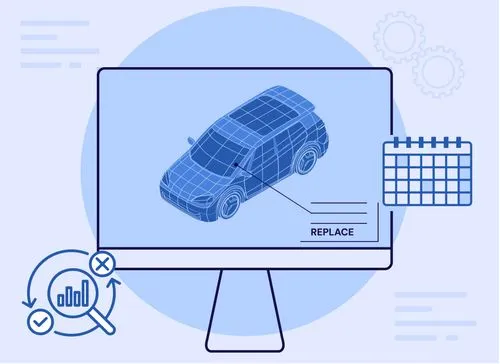
Collecting and analyzing feedback from customers and repair shops after each repair is essential when it comes to refining the repairer allocation process. This feedback loop is vital for identifying areas for improvement, enhancing service quality, and ensuring that the process evolves to meet changing customer needs and expectations.
This involves having the right data in the right place at the right time, so that all stakeholders in the repair allocation process can track progress and refine any aspect of the process going forward to meet customer expectations and ensure maximum efficiency and cost-effectiveness.

The Future of Efficient, Customer-Centric Repairer Allocation
The road to efficient and customer-centric repairer allocation is paved with challenges, but taking the right steps can enable a smooth journey that is worth embarking on. By focusing on detailed assessments, customer preferences, informed shop selection, transparent communication, and continuous feedback, insurance providers and repair shops can really transform the repair experience for vehicle owners.

Addenda's Innovative Solutions for Repairer Allocation
In Addenda's innovative ecosystem that includes repairer allocation, Garage Assignment plays a pivotal role in enhancing the repairer allocation process. Key elements include:
- Authority and Choice: Claim Managers hold the authority to assign claims to garages based on the specific needs identified during the claim review process. They can select a suitable garage by leveraging the system's search functionality, which allows filtering byname, location, or type.
- Garage Types: The system categorizes garages into:
- Partner Garage: Utilizes Addenda Repair services for streamlined operations.
- Third-Party Registered Garage: Recognized by the system but operates independently.
- Third-Party Unregistered Garage: Not formally recognized within the system but can be used if necessary.
- Listing and Selection: The default garage list shows options within a 30 km radius of the claim’s location, with capabilities to filter based on various criteria. A map view aids in the geographical selection of a repair facility.
- Assignment Process:
- For Partner Garages, the Claim Manager assigns with a click, updating the claim’s status to 'Garage Requested'. A response is awaited within 48 hours before reassignment.
- For Third-Party Garages, upon assignment, garages receive claim details via email, which includes a secure link accessible via an OTP for claim acceptance or rejection.
- Status Updates:
- If a garage rejects the repair request, the claim status updates to 'Garage Rejected', allowing the Claim Manager to reassign.
- Once a garage accepts, the status updates to 'Garage Assigned', signaling readiness for the estimate preparation and subsequent approval process
These structured steps, facilitated by Addenda, streamline the garage assignment phase, ensuring efficiency and adaptability in addressing the specific requirements of each claim.
.png)



















.svg)

.webp)


.webp)
.webp)