


.webp)
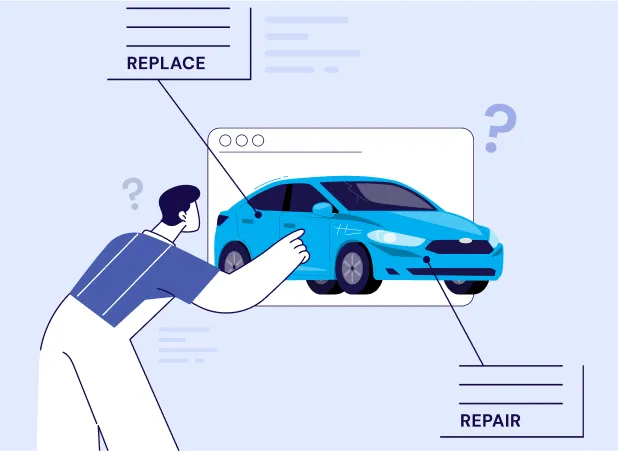
The Crucial Decision: Repair or Total Loss?
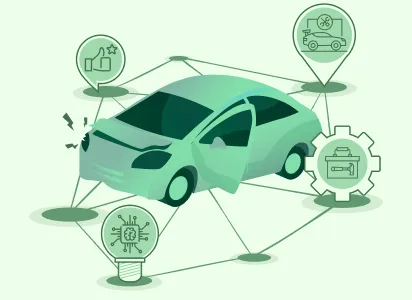
One of the biggest decisions facing auto insurance companies is whether to fix a damaged car, or call it a total loss. Making the right decision is crucial because it affects both the insurance company's bottom line, and customer satisfaction. So what are the challenges?
- For insurance companies: it's all about the numbers. This decision can change how much they spend on claims and will affect their overall profits. They must decide if paying for repairs makes more sense than just declaring the car a total loss.
- For customers: it's more personal. This decision can affect how they feel about their insurance company. If their car is fixed properly, they're likely to be happy. But if it's declared a total loss, they might worry about getting enough money to replace it.
When deciding between repairs or a total loss, insurers need to look at many details, such as how bad the damage is, how much the car was worth before the accident, and whether it's safe to drive if it is fixed. Insurers are constantly trying to do the right thing, keeping costs down while ensuring customers are looked after. It's a tricky balance, but getting it right is the key to excellent customer service.
Factors that Determine the Repair vs Total Loss Decisions
When deciding whether a car should be fixed up or considered a total loss, insurance companies have to weigh up several factors very carefully. It's not just about what looks right, it's about what makes sense financially and with safety in mind. Key factors in the decision-making process include:
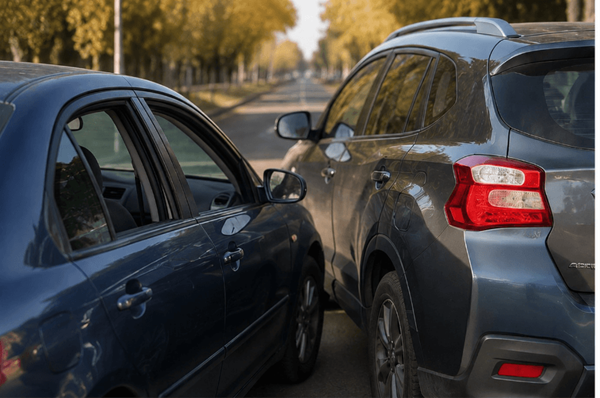
- Extent of the Damage: This is where it all starts. If a car only has a few dings and scratches, it's usually a green light for repairs. But if we're looking at serious damage, like a bent frame, that level of damage can mean it's time to say goodbye to the car because fixing it just doesn't make financial sense.
- Vehicle Age and Value: The age and value of a car can also play a big part in the decision-making process. An older car that has seen better days might not be worth fixing up, especially if it has clocked up a lot of miles. On the flip side, a newer car with a higher value is more likely to get the okay for repairs. It's all down to whether the repairs will cost more than the car is worth.
- Financial Viability: This is where things get mathematical. Insurance companies often have a rule of thumb: if the cost to fix the car is more than a certain percentage of the car's value (this can vary, but is usually around 70-75%), they are likely to call it a total loss. They need to ensure that they are not spending more on repairs than the car is worth.
- Safety Considerations: Last, but definitely not least, is safety . Even if a car could technically be repaired, if those repairs might leave the car less safe to drive in the future, insurers lean towards calling it a total loss. The fact is, no insurer wants to risk safety for the sake of saving a few bucks.
Insurers need to make a choice that's smart money-wise, while keeping customers safe on the road.

Understanding the Stakes in Repair vs Total Loss Decisions
When insurance companies face the tough call between fixing a car or declaring it a total loss, the impact of their decision goes far beyond just dollars and cents. It's a complex balance that affects everyone involved, from the insurance companies themselves to the car owners counting on them. So what are the stakes?
For Insurers: Getting these assessments right is crucial. If an insurer mistakenly declares a car a total loss, the financial fallout can be significant. Not only does it mean shelling out more in claim payouts, but it can also lead to higher premiums for everyone down the line. On the flip side, choosing to repair a car that really should be written off can bump up claim costs too. It's not just about the money, either. When repairs drag on, it can leave customers frustrated and dissatisfied, stuck without their cars for longer than they expected. This can damage the insurer's reputation and customer trust, which can be hard to rebuild.
For Policyholders: It's not just about whether their car can be driven again, it's about the inconvenience, the potential safety risks, and the financial strain that can come with it. If an insurer rushes to declare a car a total loss, it can be a real shock to a customer, especially if the car had personal value, or if the payout doesn't cover the cost of a new vehicle. And when repairs are chosen, it's not just the wait that's a problem. There can be extra costs, such as higher deductibles, not to mention concerns about whether the car will be as safe afterwards.
For insurance companies, striking the right balance is key. They need to weigh the costs, consider the car's condition, and think about market value, all while keeping the customer's needs in mind. It's a delicate balance between financial responsibility and providing genuine support to policyholders. This decision-making process showcases the insurer's expertise in navigating vehicle assessments, market trends, and customer service. Ultimately, it's about making choices that are fair, sensible, and sensitive to the policyholder's situation, reinforcing the trust and reliability that are the foundation of the insurance industry.
How AI in Insurance is Simplifying Complex Decisions
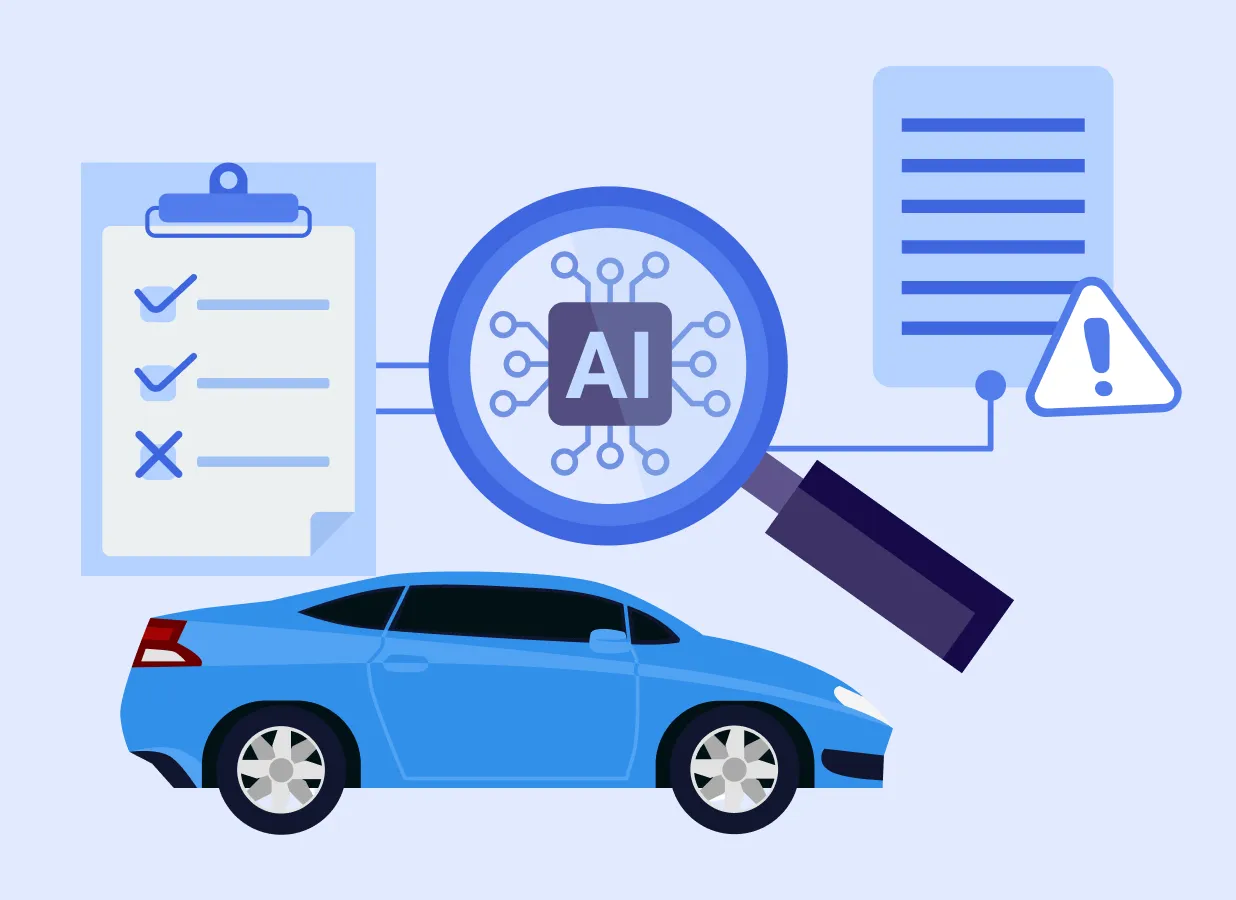
Artificial Intelligence (AI) is making a big difference in auto insurance. It enables insurance companies to make complex decisions quickly and accurately by analyzing data. This speeds up how damage is evaluated and claims are processed, leading to faster resolutions. For insurance companies and customers alike, this means less time wasted and more reliable outcomes, simplifying the once complex decision-making process involved in claims handling.
Compare traditional methods to AI-driven processes in auto insurance claims:
Traditional Method:
- Lengthy and uncertain processes.
- Reliance on inspector expertise and experience.
- Inclusion of inputs from external repair workshops.
- Susceptibility to human error and inconsistencies.
The Introduction of AI:
- Use of tools like Addenda’s AI-Based Damage Detection Software.
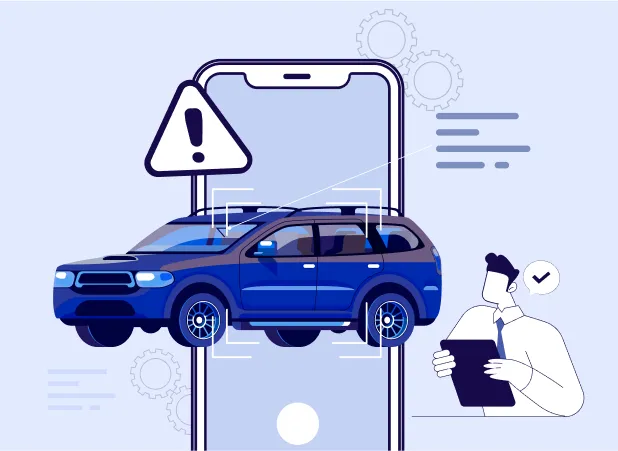
- Rapid analysis of vehicle damage through images.
- Provision of accurate and comprehensive assessments quickly.
- Reduction in the time from claim filing to resolution.
- Minimisation of human error and enhancement of objectivity.
By leveraging AI, insurers can offer quicker resolutions and more reliable assessments, benefiting both them and their customers, with faster, more transparent, and more accurate claim outcomes.

How AI Transforms Photos into Data
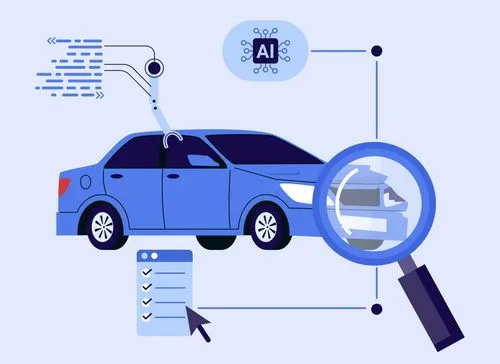
In the era of AI-driven auto insurance, photographs of damaged vehicles are not just pictures, they are transformed into rich data sources that provide insights far beyond what the eye can see. This is how AI, through technologies such as Addenda Vision, is revolutionizing the way we approach vehicle damage assessments.
Turning Photos into Data benefits assessments through:
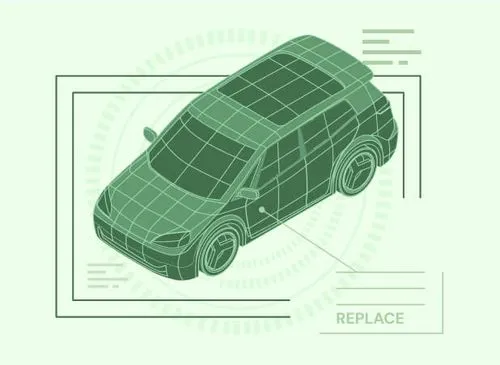
- Advanced Image Recognition: this utilizes state-of-the-art technology to dissect photos, identifying damage specifics.
- Enhanced Damage Analysis: AI meticulously evaluates the extent of damage, pinpointing areas of concern and assessing the impact on the vehicle's structure.
Benefits for Insurers:
- Clarity and Precision: Significantly diminishes the uncertainty in damage evaluation, enabling more accurate claim decisions.
- Efficiency in Claims Processing: Speeds up the entire process, from assessment to resolution, by relying on data-driven insights.
- Consistency: Ensures uniformity in how damages are assessed, leading to fairer outcomes.
Advantages for Customers:
- Quicker Claims Resolution: Shortens the wait times for claim processing, getting customers back on track faster.
- Transparent Communication: Provides a clear understanding of the damage assessment and claim decisions.
- Reliable Outcomes: Increases confidence in the insurance process, thanks to predictable and understandable claim resolutions.
By leveraging AI to analyze vehicle damage through photographs, both insurers and customers benefit from a process characterized by greater accuracy, transparency, and speed. This not only enhances the customer experience, but also streamlines operational efficiency for insurers, marking a significant leap forward in the way auto insurance claims are handled.
.webp)
The Practical Impact of AI in Claim Decisions
The rapid advancement in claims processing enabled by AI technology has markedly improved satisfaction levels among customers, and streamlined operations for repair shops. This shift towards faster, more accurate claim resolutions has several key benefits:
For Customers: The use of AI significantly shortens the time it takes to process claims. This rapid turnaround is transforming the customer experience, making it smoother and less stressful. Customers appreciate the swift responses to their claims, which minimizes the disruption to their daily lives and quickly addresses any uncertainties regarding their vehicle's status.
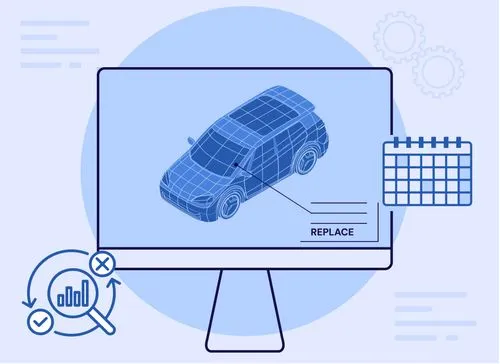
For Repair Shops: The clarity provided by AI in determining repair decisions aids repair shops in planning and managing their workloads more effectively. With a clearer understanding of the work required, shops can schedule repairs more efficiently, ensuring that vehicles are serviced and returned to their owners faster. This not only improves the workflow for the shops, but also contributes to higher customer satisfaction due to the quicker turnaround times.
Strategic Advantages: Adopting AI in the claims process is a strategic decision that brings substantial operational benefits. By streamlining the claims handling process, insurance companies can achieve significant cost savings, reducing the time and resources spent on each claim. This efficiency not only benefits the insurers by lowering operational costs but also enhances the overall experience for customers and repair partners. It's a forward-thinking approach that aligns with the needs of all parties involved, fostering a more efficient, effective, and satisfying claims process.
The integration of AI into the claims process is marks a significant step forward in the insurance industry, offering a win-win solution for insurers, customers, and repair shops alike.

Conclusion
This progression towards AI-enhanced methodologies in assessing auto insurance claims showcases a commitment to innovation, prioritizing accuracy, customer satisfaction, and a forward-thinking approach by the industry to tackling traditional challenges.
It's a journey towards a more adaptable, responsive, and customer-focused industry, ready to meet the demands of the modern world.

.png)














.svg)

.webp)


.webp)
.webp)