


.webp)

In the second of our special series on best practices in the auto repair industry, we examine how insurers can make the right decisions about auto repair versus total loss.
Maintaining a Delicate Balance
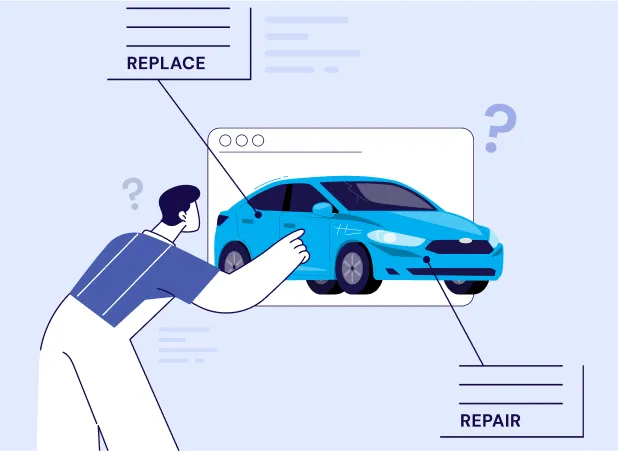
One critical decision that affects insurers, repair shops, and policyholders is whether to repair a damaged vehicle or declare it a total loss. For insurers, it’s not just about crunching the numbers; it's about maintaining a delicate balance between accuracy, fairness, operational efficiency, and customer satisfaction.
So, what does best practice look like for insurance companies trying to navigate complex ‘loss or repair’ decisions more effectively? How can they ensure that their approach to repair versus total loss is as informed, fair, and efficient as possible while improving outcomes for all stakeholders, including customers?
A High-Stakes Game
The decision between repairing a vehicle or declaring it a total loss involves various critical considerations that directly impact the insurance industry's dynamics. It is a high-stakes game that involves many contributory factors, including:
- Financial Stability: Right or wrong, a decision can significantly impact an insurer's financial stability and bottom line.
- Policyholder Satisfaction: Ensuring policyholders feel fairly treated and satisfied with the outcome is crucial to customer experience and loyalty.
- Process Integrity: The integrity of the decision process hinges on transparent and fair decision-making, underpinned by accurate damage assessments and compliance with industry regulations.
- Understanding Market Values: A nuanced grasp of current market values for vehicles supports equitable decisions.
These elements collectively underscore the complexity of the repair versus total loss decision, emphasizing the need for insurers to navigate these considerations carefully to maintain trust, financial health, and regulatory compliance.
Best Practice #1: Ensuring Comprehensive Damage Assessment
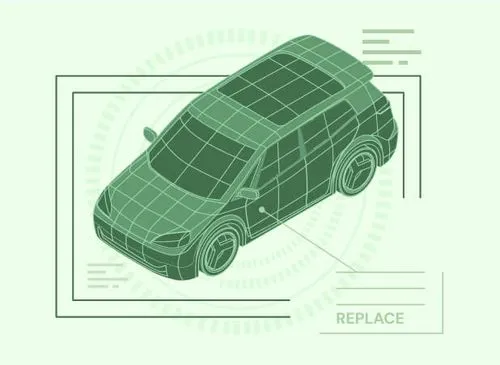
For comprehensive and fair damage assessment, auto insurance companies must delve deeply into each vehicle's condition to make informed decisions on repair versus total loss. This process isn't just about identifying visible damage and uncovering any underlying issues that could significantly impact the vehicle's repairability and overall safety. Key aspects include:
- In-depth Evaluation: A thorough inspection assesses visible and hidden damage. This ensures a complete understanding of the vehicle's condition and any repairs that may be necessary.
- Collaboration with Repair Professionals: Partnering with skilled technicians offers valuable insights into the practical aspects of repair work, including the feasibility and cost implications. Their expertise can highlight potential challenges and solutions in the repair process.
- Technological Integration: Utilizing advanced diagnostic tools and software to supplement manual inspections enhances accuracy and reliability in damage assessment. Technologies like AI-driven imaging and data analysis can reveal issues that aren't immediately apparent, ensuring that evaluations are as comprehensive as possible.
By combining detailed evaluations, expert collaboration, and cutting-edge technology, insurers can ensure their damage assessments are thorough, leading to fairer and more accurate decisions. This holistic approach supports financial and operational efficiency and fosters customer trust and transparency.
.webp)
Best Practice #2: Complying with Policy and Regulatory Standards
Adhering to policy and regulatory standards is a cornerstone of the insurance industry's approach to repair vs total loss decisions. This involves several critical steps:
- Compliance with Legal Frameworks: Insurance companies must ensure all decisions comply with existing policies and regulatory mandates. This safeguards the decision from legal challenges, ensuring fairness and defensibility.
- Ongoing Policy Adaptation: The legal and regulatory landscape is dynamic. Regular reviews of and updates to policies are necessary to remain aligned with changes and protect insurers and their clients.
- Transparent Client Communication: It is imperative to communicate to policyholders the basis of repair vs. total loss decisions. This fosters trust and transparency, helping demystify the process for clients, who are often unfamiliar with the intricacies of insurance evaluations.
These practices underscore the importance of a meticulously structured approach to decision-making within the insurance sector, balancing legal obligations with the need for clarity and fairness to clients.
.webp)
Best Practice #3: Achieving Detailed Cost-Benefit Analysis
To conduct a thorough cost-benefit analysis in the context of repair versus total loss decisions, it is essential to examine the economic considerations that underpin these critical choices. This analysis goes beyond simple repair costs, involving a holistic view of the vehicle's value, potential depreciation, and the broader impact on the insurer and the policyholder.
Economic Impact: It’s vital to consider the immediate costs and the long-term financial impact, including potential depreciation post-repair and the likelihood of future claims.
Actual Cash Value: This step requires a detailed comparison between the estimated repair costs and the vehicle’s actual cash value (ACV). It is essential to assess whether repairs are economically sensible or if they would be disproportionate to the vehicle’s worth.
Market Data: An accurate assessment of the vehicle’s current market value is crucial. Factors like make, model, age, and market trends must be considered. This helps ensure that decisions are based on up-to-date and comprehensive data, making the process as fair and objective as possible.
Through a detailed cost-benefit analysis that includes these elements, insurance companies can make informed decisions that balance financial prudence with fairness to policyholders. This ensures that each decision to repair or total a vehicle is backed by a robust economic rationale.
.webp)
Best Practice #4: Maintaining Effective Customer Communications
Effective customer communication is pivotal in insurance, particularly when deciding repairs versus total loss. This practice is fundamental for fostering a positive relationship with policyholders, ensuring they feel listened to, respected, and valued.
An effective communications process includes:
- Transparency and Trust: Openly sharing how decisions are made, including the criteria and processes involved, helps demystify the insurance claims process for policyholders, fostering a sense of trust and security.
- Clarity and Compassion: Communicating clearly and straightforwardly while empathizing with the policyholder's situation can significantly ease their concerns. It's about balancing the delivery of information with an understanding of the emotional impact these decisions may have.
- Guided on Next Steps: Comprehensive guidance on what happens after a decision is made, whether it involves repair procedures or handling a total loss claim, is crucial. This includes explaining the paperwork, timelines, and any required actions from the policyholder's side, ensuring they feel supported and informed.
Insurance companies can enhance policyholder satisfaction and loyalty by prioritizing clear, empathetic, and supportive communication. This approach helps manage the immediate impact of the claim decision and reinforces the insurer's reputation as a customer-centric and trustworthy partner.
.webp)
Best Practice #5: Leveraging Data for Continuous Improvement
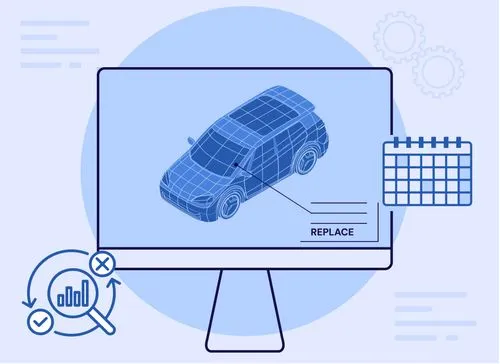
Embracing a data-driven approach for continuous improvement is vital for enhancing the accuracy and effectiveness of repair versus total loss decisions in auto insurance claims. This comprehensive strategy involves:
- Detailed Analysis: Continuously evaluating previous decisions and their outcomes is essential. This involves looking at the accuracy of the repair versus total loss determinations, assessing the financial impact, and understanding customer satisfaction levels. By analyzing this data, insurers can identify trends, anomalies, and areas needing refinement.
- Data-Driven Decisions: Utilizing data collected from past cases is essential for informing future decisions. This means creating a robust database that logs all aspects of each claim, from initial assessments to outcomes and costs. Analyzing this data allows insurers to make more informed choices backed by empirical evidence rather than intuition or precedent.
- Incorporating Feedback: Managing feedback from policyholders and repair partners is invaluable for fine-tuning the decision-making process. This can provide insights into the practicality of repairs, customer satisfaction with the decision process, and areas where communication could be improved. Establishing regular channels for feedback collection and review ensures that the decision-making process remains dynamic and responsive to the needs of all stakeholders.
By systematically applying these practices, insurance companies can continually refine their approach to repair versus total loss decisions, leading to better outcomes for the company and its customers. This improves operational efficiency and financial performance and enhances customer trust and loyalty, critical for success in the highly competitive insurance market.
.webp)
Conclusion
Navigating the complexities of auto insurance claims, particularly when deciding between repairs or total loss, is challenging. Adopting best practices—such as detailed assessments, adhering to regulations, conducting thorough cost analyses, ensuring clear communication, and focusing on continuous improvement—can empower insurance companies to tackle these challenges effectively. These strategies improve operational efficiency and financial outcomes and build customer trust and satisfaction, guiding insurers through the intricate process confidently and precisely.
What’s Next?
As an insurance company making daily repair versus total loss decisions, are you ready to adopt new AI-driven technology to support best practices and transform your decision-making process into one that is more accurate, efficient, and aligned with the needs of all stakeholders? If so, find out how Addenda can help you embrace the opportunity to lead with integrity, fairness, and innovation in the auto insurance industry.
.png)

















.svg)

.webp)


.webp)
.webp)