


.webp)

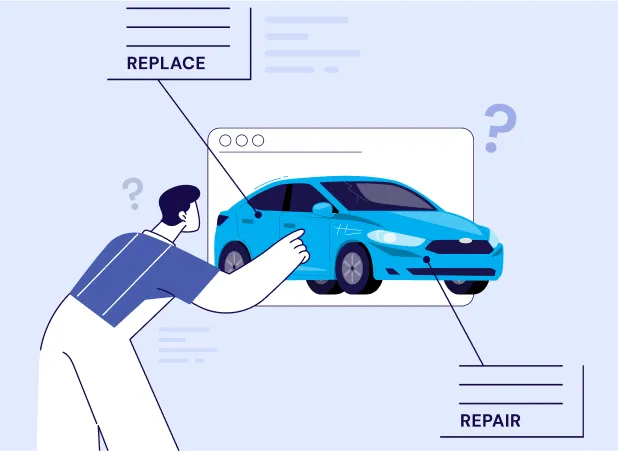
In auto insurance, the critical decision between repairing a vehicle or declaring it a total loss can impact both an insurer’s financial stability, as well as the overall satisfaction and loyalty of its customers. A sophisticated approach is needed that balances meticulous attention to detail, a deep understanding of vehicle valuation, and an awareness of the emotional attachments many customers have to their vehicles. The key questions are: how can insurers ensure that repair vs. total loss decisions are made with diligence and efficiency whilst reinforcing their commitments to customer satisfaction?
And how can the integration of AI technology revolutionize this process?
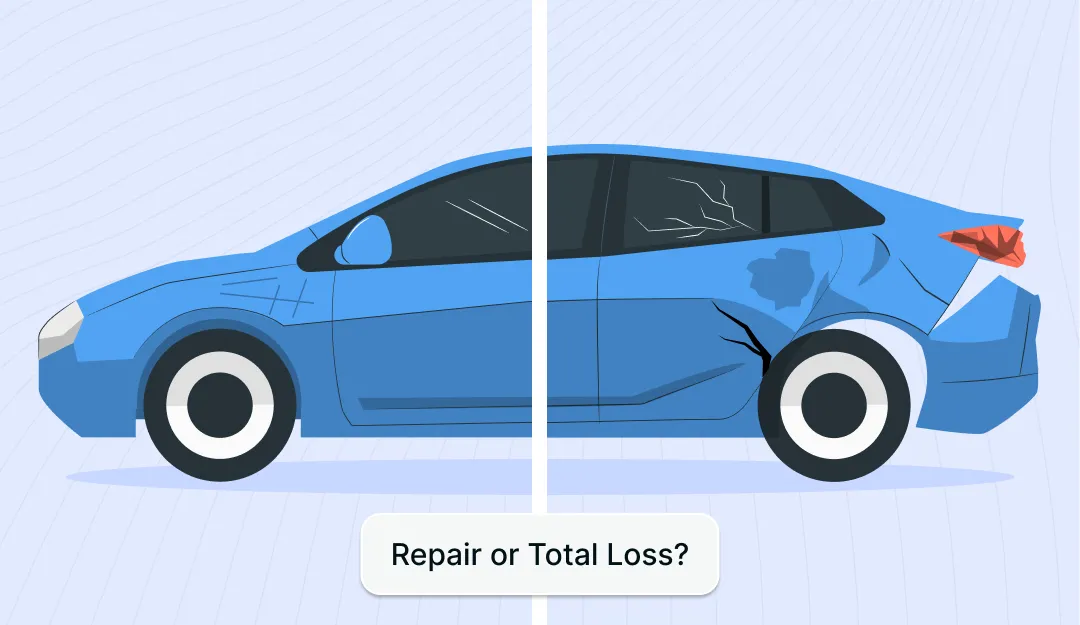
The Decision-Making Framework
The Decision-Making Framework, a meticulously crafted set of guidelines and processes, is at the heart of repair vs. Loss decision making. It guides insurers through every stage of the decision making process, ensuring that each case is approached with precision, fairness, and a stringent adherence to regulatory compliance standards.
But what are the key steps that insurers need to take to make the entire repair vs. total loss process more efficient and customer-focused?
Step 1: Initial Assessment
The initial phase of processing an auto insurance claim is a meticulous assessment of the vehicle's condition. This foundational step lays the groundwork for the entire claims process, emphasizing the need for precision and thoroughness.
Ensuring the vehicle's ability to safeguard its occupants after repairs is not only about meeting technical requirements, but also about upholding a commitment to customer safety and satisfaction. By focusing on these critical aspects from the outset, insurers can navigate the complex terrain of auto claims, and ultimately make decisions that are informed and take into account the policyholder's well-being.
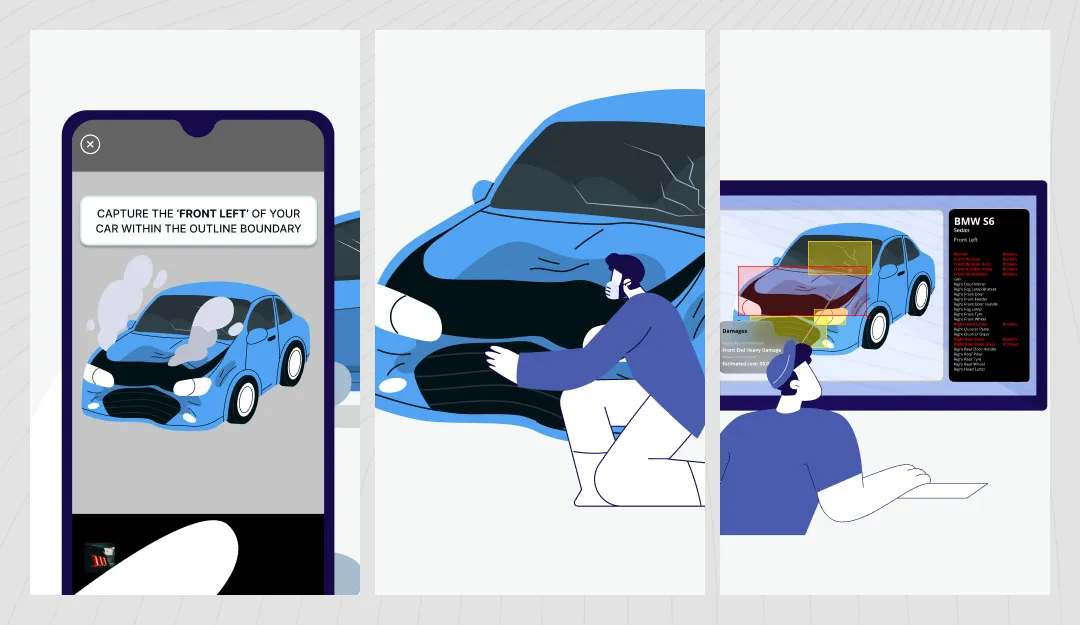
Step 2: Economic Evaluation
The next crucial step in the auto insurance claims process is the economic evaluation. This stage is centered around a detailed financial analysis, essential for making an informed decision on whether to repair a vehicle or declare it a total loss.
An insurers’ approach to this critical step includes:
- Calculation of Repair Costs: Insurers meticulously estimate the total costs required to restore the vehicle to its pre-accident condition. This involves itemizing parts and labor costs, potentially incorporating advanced diagnostics to understand the full scope of repairs needed.
- Determination of ACV: The Actual Cash Value (ACV) of the vehicle is assessed, reflecting its market value just before the accident. This figure is crucial as it represents the insurer's maximum payout limit for repairs.
- Cost-Benefit Analysis: The core of this step is a cost-benefit analysis where the estimated repair costs are compared against the vehicle's ACV.
The industry standard varies per region from 50% to 90%threshold. If the repair costs exceed this percentage of the ACV, it is generally more economically sensible to declare a total loss rather than carry out a repair.
By adhering to this methodical approach, insurers can navigate the delicate balance between cost-effectiveness and the value of restoring a vehicle. The important thing here is that the outcome is both economically viable and aligned with the interests of the customer.

Step 3: Technology and Material Considerations
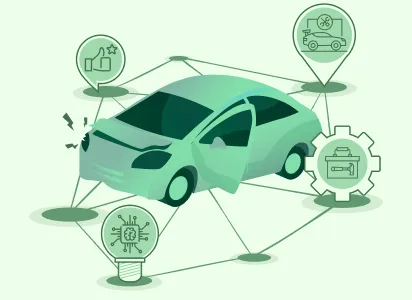
Today’s vehicles are not just methods of transportation but
complex assemblies of advanced technology and specialized materials. This built-incomplexity significantly impacts the repair vs. total loss decision-making process.
In undertaking these considerations, insurers need to:
- Understand Vehicle Complexity: Modern vehicles come equipped with a range of advanced technologies, including driver-assistance systems (ADAS) like lane departure warnings and automatic emergency braking. These features are crucial for safety and operational functionality, necessitating a thorough evaluation of their integrity and repair costs.
- Consider Materials: Modern vehicles utilize a wide variety of materials, from high-strength steel to aluminium and carbon fibre, which can affect repair processes, costs, and decisions on whether a vehicle can be economically and safely repaired.
- Assess Safety and Functionality: The primary goal is to ensure that, post-repair, the vehicle not only meets aesthetic standards but, more importantly, retains its safety features and operational efficiency as designed by the manufacturer.
By considering these factors, decisions can be made that are not only economically sound but also prioritize the safety and reliability of the vehicle post-repair.
.webp)
Step 4: Regulatory Compliance
Insurers can’t make sound repair vs. total loss decisions without an awareness and understanding of relevant and applicable regulatory compliance. This covers:
- Alignment with Laws: Insurers must ensure that all repair decisions comply with local, state, and federal regulations, which can vary significantly across different jurisdictions.
- Adherence to Safety Standards: Beyond legal requirements, the focus is on meeting or exceeding safety standards to ensure that any repaired vehicle is safe for the road.
- Roadworthiness: The ultimate goal is to certify that vehicles, once repaired, are not only visually restored, but also mechanically and structurally sound, ensuring the safety of occupants and compliance with legal standards for roadworthiness.
This regulatory landscape can be a minefield. Therefore, itis essential to the integrity of the claims process that outcomes are legally sound, ethically responsible, and aligned with the overarching principles of public safety and trust.
.webp)
How AI can Enhance Decision-Making
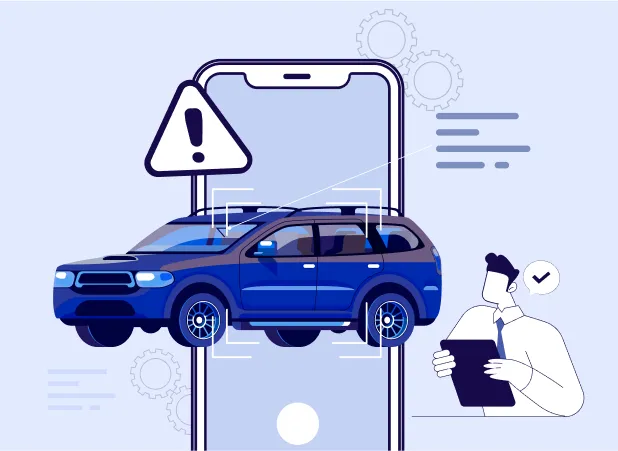
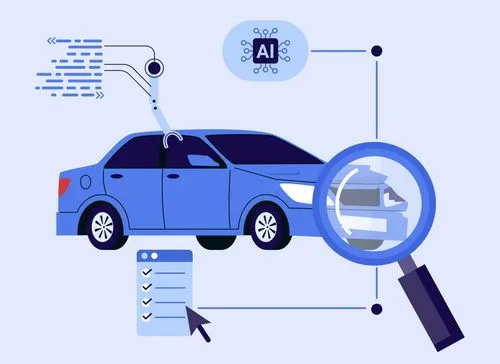
The incorporation of Artificial Intelligence (AI) into the realm of auto insurance claims has revolutionized the way decisions are made regarding repairs and total losses. In fact, AI's ability to provide objective assessments has significantly streamlined the whole evaluation process. By harnessing the power of AI, insurers can greatly reduce the subjectivity traditionally associated with claims evaluations. AI can facilitate:
- Objective Insights: AI eliminates human bias, offering clear, data-driven insights for each case.
- Streamlined Evaluations: Through automating the initial assessment stages, AI simplifies the process, allowing for quicker, more efficient decision-making.
- Reduced Errors: The precision of AI technologies minimizes the chance of manual mistakes, ensuring a more reliable assessment.
- Accuracy and Efficiency: By leveraging vast datasets, AI helps insurers make well-informed decisions swiftly, enhancing both the accuracy and efficiency of the overall process.
AI technologies can also significantly bolster insurers’ capacity to uphold safety and regulatory compliance. By leveraging AI, insurers can meticulously evaluate a vehicle's structural integrity and the operational efficacy of its safety systems, ensuring they align with stringent legal standards.
With the emergence of the AI era, the role of insurance adjusters has not diminished; in fact, it has become more critical than ever. As the bridge between cutting-edge AI insights and practical application, insurance adjusters have the opportunity to leverage their expertise to interpret and apply AI-generated data in order to make well-informed decisions.
These opportunities include:
- Interpreting AI Data: Adjusters can adeptly analyze the information provided by AI, translating complex data into actionable insights.
- Human Judgment Integration: Combining AI's precision with their nuanced understanding of cases, loss adjusters can ensure that their decisions are not only data-driven, but also empathetic and contextually relevant.
- Balancing Technology and Empathy: While AI offers efficiency and accuracy, adjusters can bring a human touch to the claims process, considering factors AI might overlook, such as customer circumstances and experiences.
- Ensuring Fair Outcomes: Adjusters’ expertise is vital in ensuring outcomes are fair, reasonable, and in the best interest of all parties involved.

Streamlining Future Repair vs. Total Loss Decisions
It’s clear that the fusion of Artificial Intelligence (AI)with the nuanced understanding and judgment is pivotal in ensuring that every decision made by insurance adjusters is not only grounded in solid data and analysis, but is also empathetic and aligned with the needs and expectations of customers.
This integrated approach will continue to refine and enhance the way auto insurance claims are handled, with the promise of a more streamlined, fair, and responsive experience for policyholders. Leveraging the best technology solutions and human insight can ultimately deliver outcomes that uphold the highest standards of customer care and satisfaction across the entire auto insurance industry.
.webp)
How Addenda helps in Repair vs. Total-Loss Decisioning
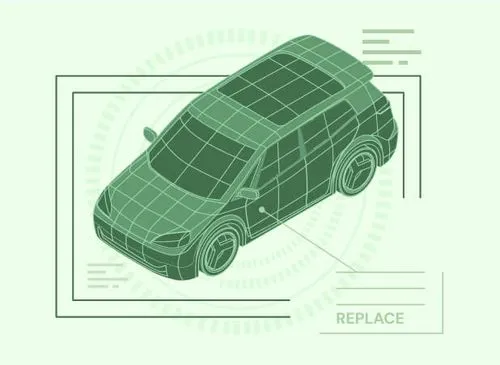
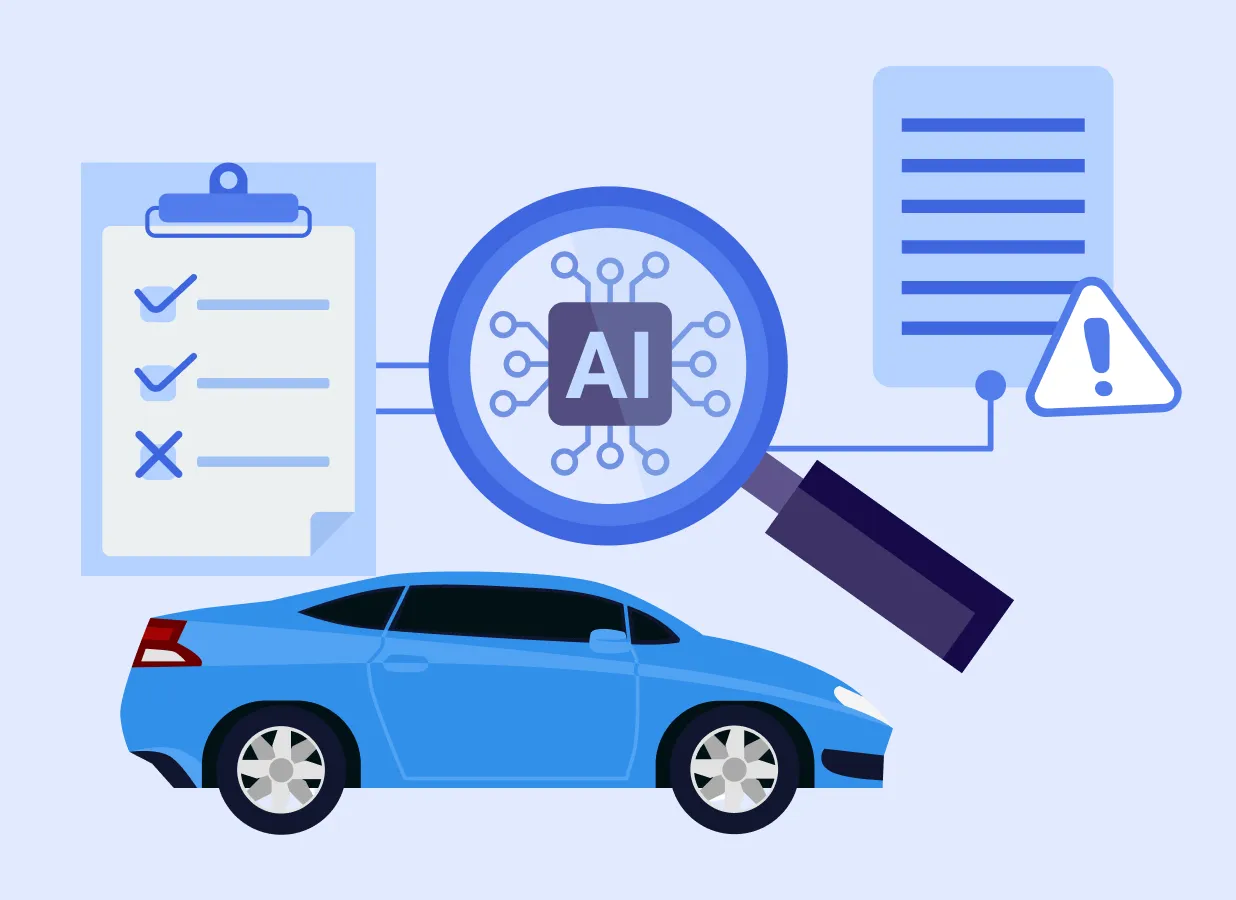
Addenda’s AI-driven ecosystem enables insurers to make easier, faster and more accurate decisions when it comes to assessing repair vs. total loss situations. It enables them to prepare estimate preparation and submission, conduct a detailed estimation review, speed the revision and approval process, and ensure smooth integration and workflow.
This provides benefits including:
Improved transparency and communication between insurance companies and repair garages
Enhanced efficiency in processing claims and making repair vs. total loss decisions
Increased satisfaction for both insurers and policyholders due to clear, informed decision-making.
.png)














.svg)

.webp)


.webp)
.webp)